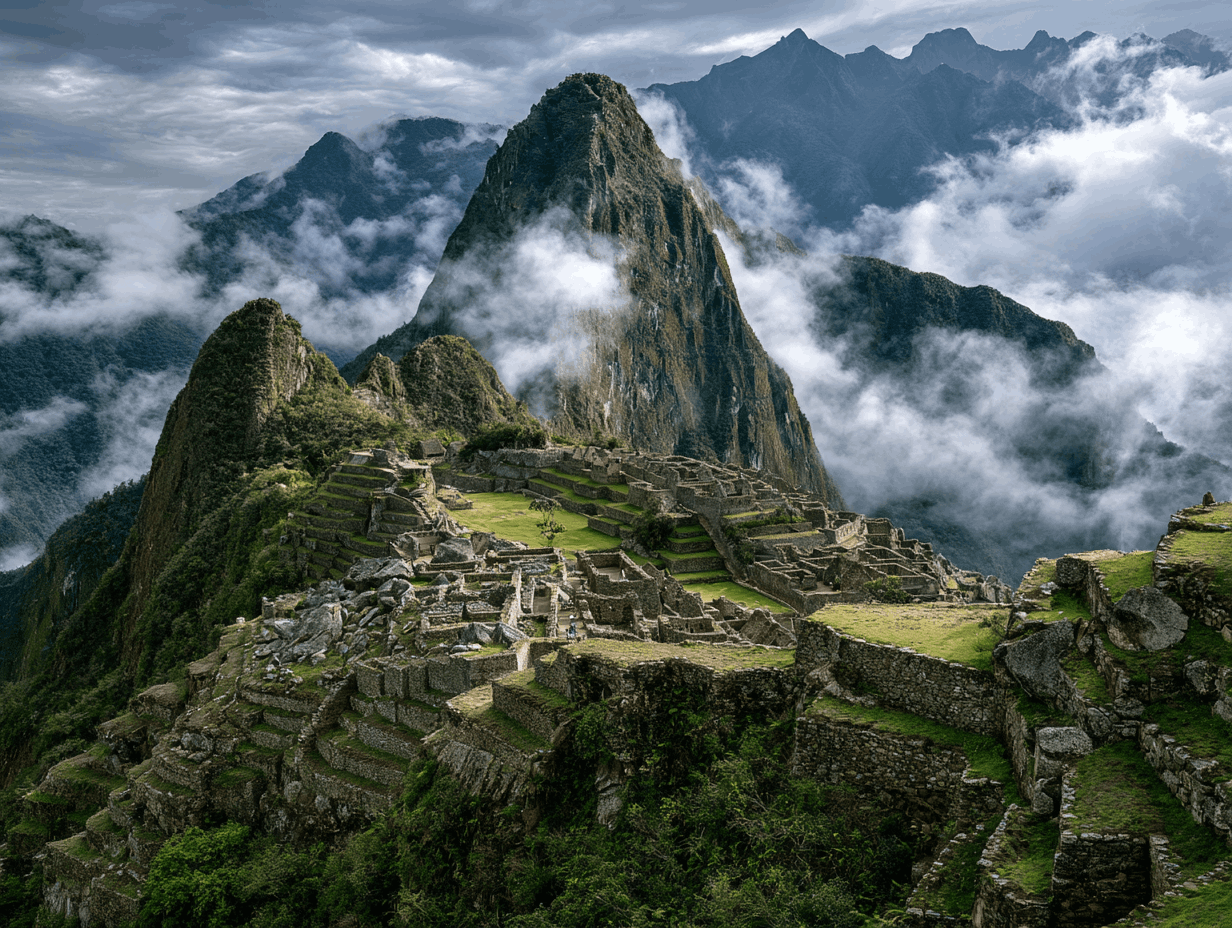
The Inca Trail is one of the world's most famous trekking routes, and for good reason. Combining mountain scenery, ancient stone pathways, cloud forests and archaeological sites, it offers much more than just a walk to Machu Picchu. The journey itself becomes a major part of the experience. By the time hikers finally arrive at the ancient citadel, they've already spent several days crossing landscapes and ruins that tell the story of a civilization that shaped much of the Andes.
The classic Inca Trail covers roughly 42 kilometers and is usually completed over four days. While that distance may not sound extreme, the combination of steep climbs, high altitude and uneven stone steps makes the trek more demanding than many first time visitors expect.
Most hikers begin near the Sacred Valley before gradually entering mountain terrain. The first day is often considered the easiest, with rolling landscapes, river views and several smaller archaeological sites along the route. Its a good opportunity to settle into the rhythm of hiking before the tougher sections begin.
The second day is generally the most challenging. The trail climbs toward Dead Woman's Pass, the highest point on the route at over 4,200 meters above sea level. The ascent can feel relentless at times, especially for those who are not fully adjusted to the altitude. Reaching the pass, however, brings a strong sense of accomplishment along with impressive mountain views.
After crossing the highest point, the trail enters a landscape that changes dramatically. Valleys become greener, vegetation becomes denser and sections of cloud forest begin to appear. The contrast between rugged mountain terrain and lush forests is one of the reasons the trek feels so varied.
The third day is often described as the most scenic. Ancient stone paths weave through forests, tunnels and mountain ridges while several Inca ruins appear along the way. Sites such as Sayacmarca and Phuyupatamarca provide glimpses into the engineering and planning that made the Inca road network so remarkable.
nteqd-a5112b-e4cf1a
One of the unique aspects of the Inca Trail is that many archaeological sites can only be reached by hikers on the route itself. Unlike Machu Picchu, which receives visitors from multiple access points, these smaller ruins remain tucked away in the mountains and add a sense of discovery to the trek.
As hikers descend toward lower elevations, the environment becomes increasingly green. Orchids, moss covered trees and mist drifting through the forest create an atmosphere thats very different from the dry mountain landscapes encountered earlier in the journey.
The final morning usually begins before sunrise. Hikers set out in darkness toward the Sun Gate, known as Inti Punku. Reaching this viewpoint and seeing Machu Picchu appear among the mountains is often the emotional highlight of the entire trek. After days of effort, the first glimpse of the ancient city feels genuinely rewarding.
Machu Picchu itself needs little introduction. Perched among steep Andean peaks, the site continues to fascinate visitors with its architecture, history and location. Exploring the terraces, temples and stone structures after completing the trail gives the visit a different feeling than simply arriving by train.
Because permits are limited, planning ahead is essential. Spaces often sell out months in advance, particularly during the busiest travel periods. Booking early is almost always necessary if you want to secure a place on your preferred dates.
Altitude is another factor that deserves attention. Many visitors spend a few days in Cusco or the Sacred Valley before starting the trek to help their bodies adjust. Even experienced hikers can feel the effects of thinner air at higher elevations.
Weather conditions vary throughout the year. The dry season generally offers the most reliable hiking conditions, although mornings and evenings can still be quite cold. Rain is always possible in the mountains, so waterproof layers are worth bringing regardless of the forecast.
Packing wisely can make a huge difference. Comfortable hiking boots, layered clothing, sun protection and a good rain jacket are among the essentials. Some hikers bring far too much gear and quickly regret carrying unnecessary weight up the steep sections.
The Inca Trail is not the longest trek in South America, nor the most difficult. What makes it special is the combination of history, scenery and anticipation that builds with each passing day. Every section reveals something different, whether it's a mountain pass, an ancient ruin or a quiet stretch of cloud forest.
By the time you step through the Sun Gate and look down at Machu Picchu, the destination feels earned. Thats why the Inca Trail remains one of the most sought after hiking experiences in the world and why so many travelers consider it one of the highlights of their time in Peru.